
Snow Leopard
About
- Snow leopard (Panthera uncia) or Ghost of the Mountains is a keystone and indicator species of high-altitude habitat.
| A keystone species is a species that plays a crucial role in maintaining the structure, function, and diversity of an ecosystem, even though it may not be the most abundant species. An indicator species is a biological species that helps scientists assess the health of an ecosystem by reflecting specific environmental conditions. |
- It is a flagship species for the high-altitude Himalayan ecosystem.
- Distribution: It is native to the mountain ranges of Central and South Asia. In India, it occurs in the Himalayan region.
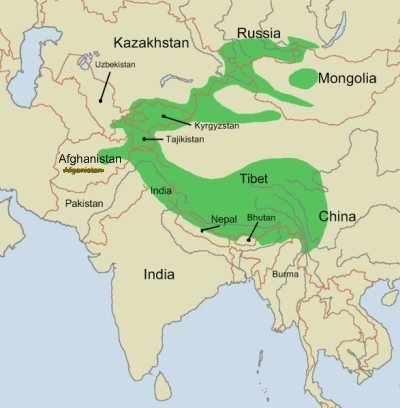
- Conservation Status: IUCN Red List: Vulnerable, CITES: Appendix I, WPA,1972: Schedule I
Why in News?
- Ladakh hosts the highest snow leopard density in the world.
- 68% of India’s snow leopard population (~477 out of 709 individuals) is found in Ladakh.
- Ladakh’s Hemis National Park recorded the highest ever density in the world
- Lowest densities were reported from Changthang High Altitude Cold Desert Wildlife Sanctuary (Ladakh).
Factors Behind High Density
- Conservation efforts by Ladakh Wildlife Department.
- Rugged terrain, low human density, and ample prey availability (wild and domestic).
- Role of traditional pastoral practices in conservation and Cultural values of Ladakhi communities who avoid hunting.

Subscribe
Login
0 Comments
Oldest